New emerging viruses of 2024. How to protect yourself (Part 1)
In 2024, the world continues to confront various infectious diseases that threaten public health. Some of these viruses have re-emerged after years of suppression, while others are newly emerging, posing unpredictable risks. These evolving threats highlight the need for ongoing vigilance, effective prevention strategies, and rapid response measures to curb their spread.
Understanding these infectious diseases—how they are transmitted, along with prevention and treatment methods—is crucial for protecting yourself, your family, and those around you. Read on to discover the most concerning viruses of 2024, their potential impact, and the steps you can take to reduce your risk of infection.
West Nile fever
What is West Nile virus disease?
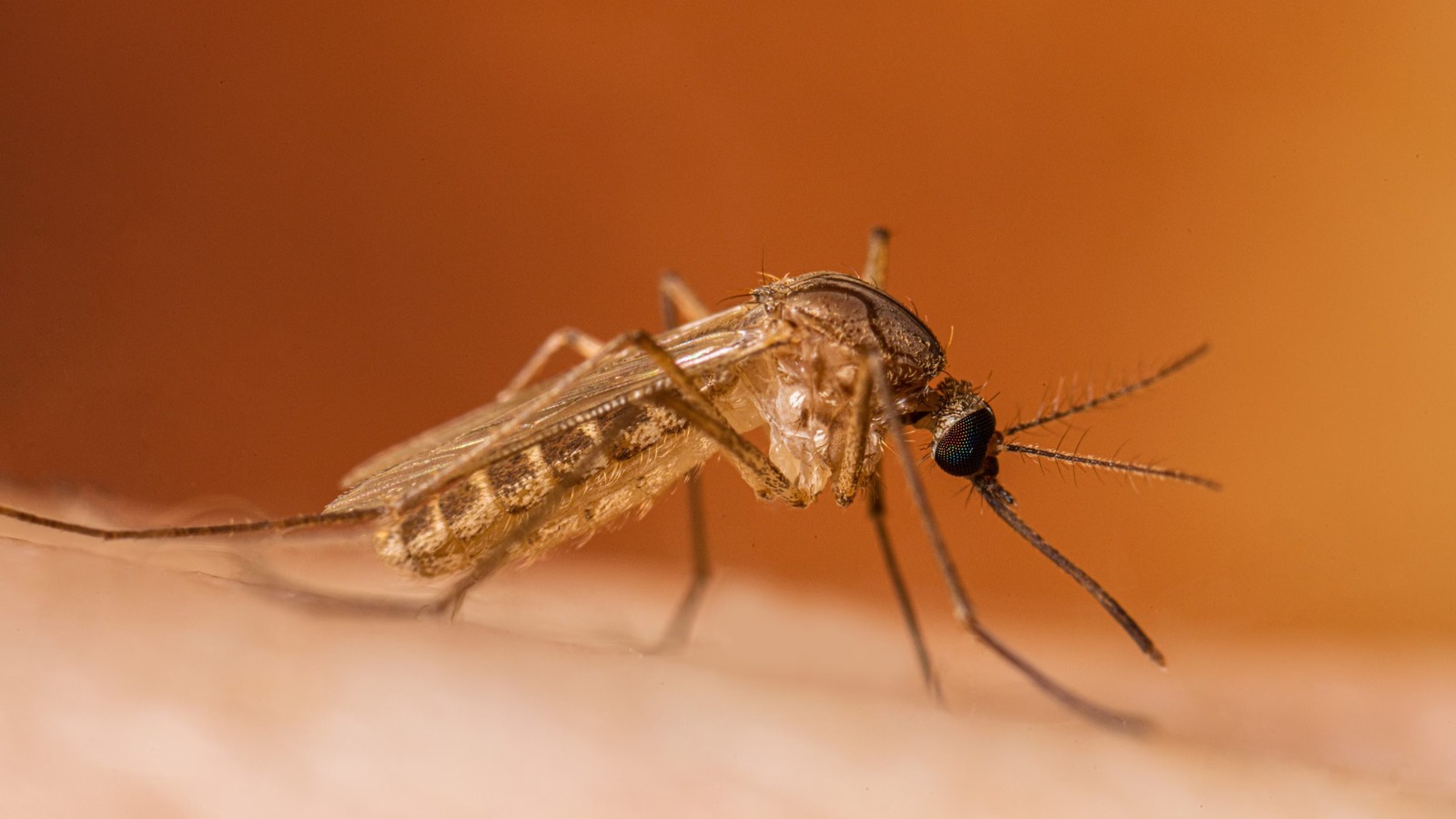
West Nile fever is an acute viral illness transmitted by mosquitoes of the Culex genus. Female mosquitoes spread the virus by biting infected birds and then biting humans. In humans, 80% of infections are asymptomatic, while around 20% result in fever, which can range from mild to high.
Most people recover within a few days, but some may experience extreme fatigue lasting weeks to months.
Where and when does the virus spread?
Most cases are reported between July and September, coinciding with mosquito activity. While common in tropical and subtropical regions, the virus has spread to other areas due to increased global travel. Mosquitoes hibernate during the winter and become active again in spring, remaining so through fall. Public health and environmental agencies monitor the virus by setting mosquito traps and testing the insects for West Nile virus. The incubation period for the disease is 2-3 weeks.
Symptoms
1 in 5 infected individuals develop clinical symptoms, which may include:
- Chills, fever (38-40°C)
- Headache
- Widespread muscle and joint pain
- Vomiting
- Diarrhea
- Body rash
In 1% of cases, the virus can affect the central nervous system, causing encephalitis or meningitis, with symptoms such as:
- Severe, throbbing headaches
- High fever (40°C or higher)
- Uncontrollable vomiting
- Sensitivity to light (photophobia)
- Seizures
- Altered consciousness
At-risk groups
People most at risk include:
- The elderly
- Those with cardiovascular diseases
- Cancer patients
- Diabetics
- Individuals with chronic kidney conditions, etc.
How can you treat or prevent West Nile infection?
There is no specific treatment for West Nile virus. Medical care focuses on relieving symptoms with pain relievers, anti-inflammatory drugs to reduce fever and swelling, and intravenous fluids to prevent dehydration.
While vaccines are available for horses, no human vaccine exists yet. To protect yourself, experts recommend wearing long-sleeved shirts and pants, using insect repellents outdoors, and limiting outdoor activities during dusk and dawn when mosquitoes are most active. Reducing standing water around your home can also help prevent mosquito breeding.
Monkeypox
What is monkeypox?
Monkeypox is a viral disease first discovered in 1958 in monkeys, which is how it got its name. However, this does not mean that only monkeys contract it or that humans catch it solely from monkeys. The virus is primarily transmitted by wild rodents, such as rats or squirrels, rather than primates.
Monkeypox belongs to the same family of viruses as the highly fatal, vaccine-preventable smallpox. However, unlike smallpox—which has killed millions of people in past centuries—monkeypox has a much milder course and is about 10 times less lethal.
Where and when does the virus spread?
While the initial source of infection was monkeys, there have been cases where it was transmitted between humans. Most cases occur in Europe, but outbreaks have also been reported in North America, Africa, and Australia. The disease primarily affects people under 16 years of age.
Symptoms
- Sudden and acute fever
- Headaches
- Rash
- Muscle pain
- Dizziness
- Nausea
- Vomiting
- Low energy
- Swollen glands
Stages of the disease
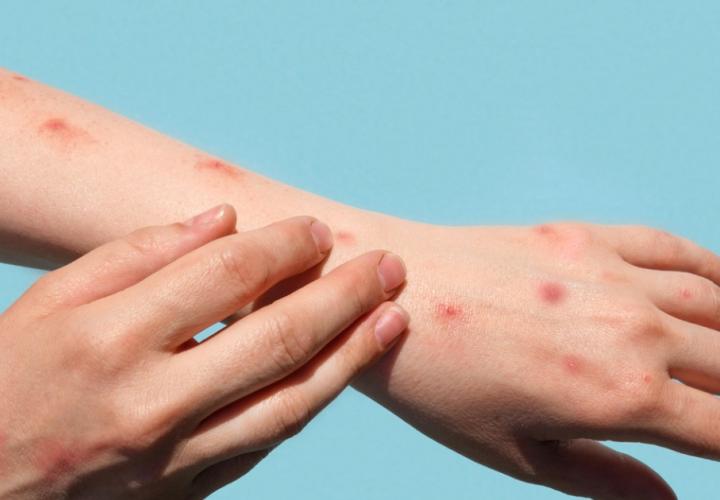
On the 3rd or 4th day of the illness, a rash appears first on the face, then spreads to the arms and covers the body. The rash starts as a spot, about 6-10 mm in diameter, then forms a papule, which eventually turns into a vesicle (a blister filled with clear fluid). A crust forms later, leaving a scar. At this stage, the patient’s condition often worsens, with symptoms such as tachycardia, increased breathing rate, and a drop in blood pressure. Afterward, the patient’s condition gradually improves. In mild cases, the overall condition remains stable. The total duration of the disease is 2-3 weeks.
At-risk groups
- Babies
- Children
- Pregnant women
- People with immunodeficiency (such as those with advanced HIV disease)
How can we treat or prevent monkeypox?
The treatment of monkeypox follows the same principles as that for natural smallpox. In the European Union, the drug tecovirimate, originally used for smallpox, is approved for treating monkeypox and other poxvirus diseases. Vaccination against smallpox is also thought to protect against monkeypox due to the close relationship between the viruses.
In the next part, we’ll look into other significant health threats of 2024, examining their potential impact and the preventive measures needed to stay safe. In an ever-changing world, staying vigilant and proactive is key to maintaining public health. Stay informed and stay healthy!


